
Grand Junction Police Records
Grand Junction Police Department serves the largest city on Colorado's Western Slope. The city is in Mesa County. It is a hub for the region. The police department handles all law enforcement in the city. You can request police records from their office.
Grand Junction Police Department
About Grand Junction Police Records
The Grand Junction Police Department keeps all police records for the city. This includes incident reports, accident reports, and arrest records. The department follows the Colorado Criminal Justice Records Act. This law controls what records are public. It sets the rules for requesting them.
Grand Junction is the largest city between Denver and Salt Lake City. It serves as a regional center. The police department handles a wide range of calls. They patrol the city. They respond to emergencies. They investigate crimes. The records unit manages all the paperwork.
You can visit the Grand Junction Police website to learn more. The site has details about their services. It explains how to request records. Some requests may be made online. Others need a visit to the station.
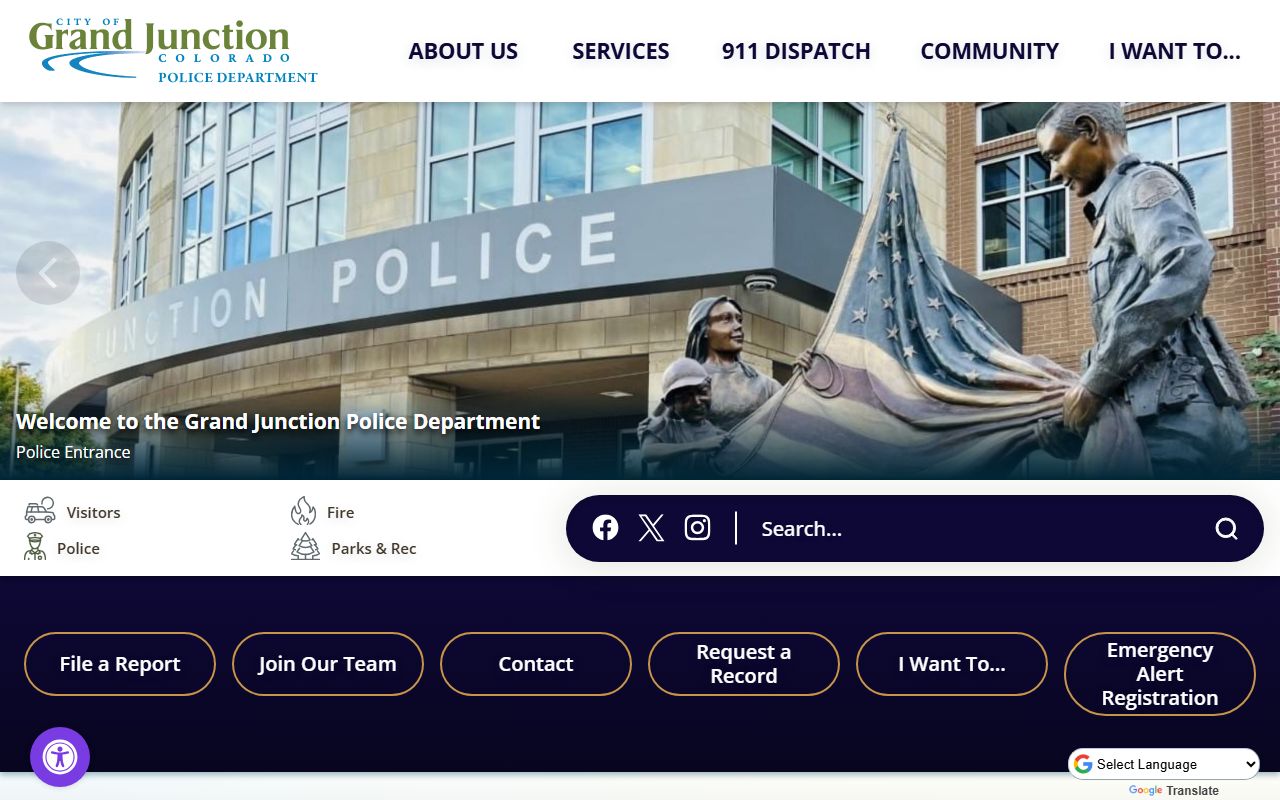
The Grand Junction Police Department serves the largest city on the Western Slope.
Note: Incidents outside city limits may be handled by the Mesa County Sheriff.
Requesting Grand Junction Police Records
You can request Grand Junction police records in person. You can also call the department. Some records may be available online. Check their website for current options. Each method has its own benefits.
In-person requests let you speak with staff. You can ask questions. You can clarify your needs. Bring a valid photo ID. Staff will help you complete the request. They can tell you about fees. They can estimate processing time. The police station is in Grand Junction.
Phone requests are good for simple questions. Call the Grand Junction Police Department. Ask for the records unit. Staff can tell you what they need. They can check if a report exists. They can explain the process. Phone numbers are on their website.
Mail requests work for those who cannot visit. Write a letter with your request. Include all relevant details. Add a self-addressed stamped envelope. Include payment for fees. Mail takes longer. It must go both ways. Staff process mail in order.
When you request records, include this information:
- Your full name and address
- Date and time of the incident
- Exact location of the incident
- Names of those involved
- Case or report number if known
The more details you provide, the faster staff can help. Vague requests take longer. Staff must search through many files. Specific details narrow the search. This saves time for everyone.
Types of Grand Junction Police Records
Grand Junction Police Department maintains several record types. Each serves a different purpose. Some are public. Others have limits. Here are the main types available.
Incident reports are common requests. Officers write these after calls. They document what happened. They list who was involved. They may include witness names. Basic facts are usually public. Some details may be redacted. This protects privacy and investigations.
Crash reports are needed after accidents. They show the parties involved. They document damage. They may show fault. You need these for insurance. You may need them for court. Grand Junction police respond to city crashes. State highways are handled by the State Patrol.
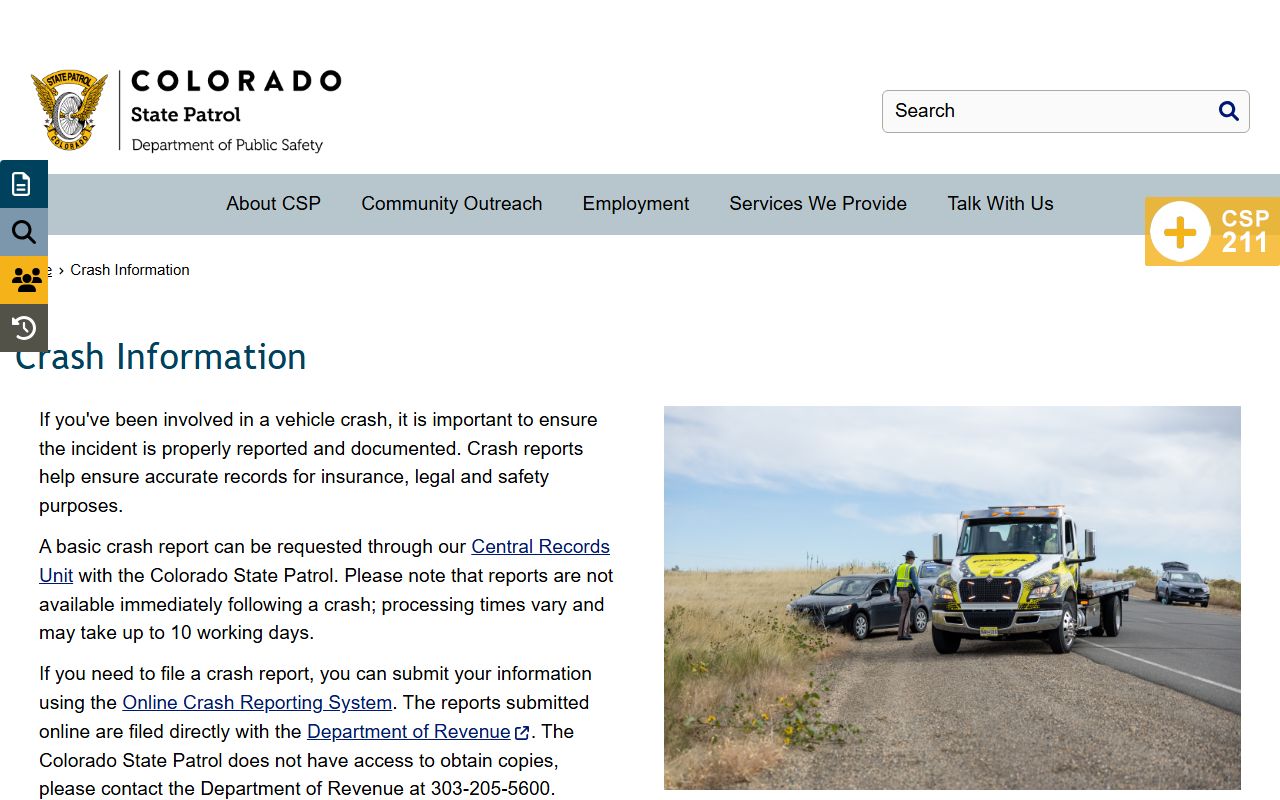
Crash reports help document accidents for insurance and legal purposes.
Arrest records show booking details. They include charges and bond. They may have photos. These are public in most cases. Some limits apply. Juvenile records are more protected. You can request arrest records from the department.
Dispatch logs show police activity. They list calls for service. They show times and locations. These are often public. They do not include full details. They give an overview of police work. They show where officers were sent.
Note: Grand Junction police records do not include court records or probation files.
Colorado Criminal Justice Records Act
The Colorado Criminal Justice Records Act applies to Grand Junction. The law is C.R.S. § 24-72-301 through 309. It governs police records statewide. It balances public access with other needs. Not all records are open to all people.
A records custodian reviews each request. They decide what can be released. They look at the public interest. They consider privacy. They check if cases are open. Each request is judged on its own. The same record may be handled differently in different cases.
Some records are open by law. Basic incident facts are public. Arrest information is public. Some logs are public. Other records are more restricted. These include investigation details. They include witness statements. Juvenile records have special rules.
The CBI CCJRA page explains the law. You can learn about your rights. You can understand the limits. The site covers both CORA and CCJRA. These laws give access to government records.
C.R.S. § 24-72-305.5 is important. It bans using records for profit. You cannot use police records to solicit business. You must sign a statement when you request records. This says you will not use them for gain. Breaking this law has consequences.
Mesa County Sheriff Records
Grand Junction is in Mesa County. The Mesa County Sheriff serves areas outside city limits. If your incident was in the county, contact the sheriff. They have their own records process. It is similar to the city police.
The Mesa County Sheriff is at 215 Rice Street. Their phone is (970) 244-3500. They handle incidents in unincorporated Mesa County. This includes areas around Grand Junction. Check where your incident happened. If it was outside city limits, call the sheriff.
The sheriff follows the same CCJRA laws. Their records process is similar. You can request records in person. You can call for help. They may have online options. Check their website for details.
Mesa County Sheriff provides law enforcement for areas outside Grand Junction city limits.
Some areas near Grand Junction are in other counties. Know which county and city your incident was in. This saves time. It gets you to the right agency. County lines can be confusing. Call if you need help figuring it out.
State Resources for Grand Junction Records
State agencies hold records too. These can help Grand Junction residents. Here are the main state resources.
The Colorado State Patrol handles highway crashes. They patrol Interstate 70. They patrol Highway 50. They patrol other state roads. If your crash was on a state highway, contact them. Their records unit is in Lakewood. You can also use their online portal.
The Colorado Bureau of Investigation has criminal history. They keep fingerprint-based records. These cover all Colorado. You can search by name online. The ICHC system gives instant results. It costs five dollars. Visit the CBI website to use it.
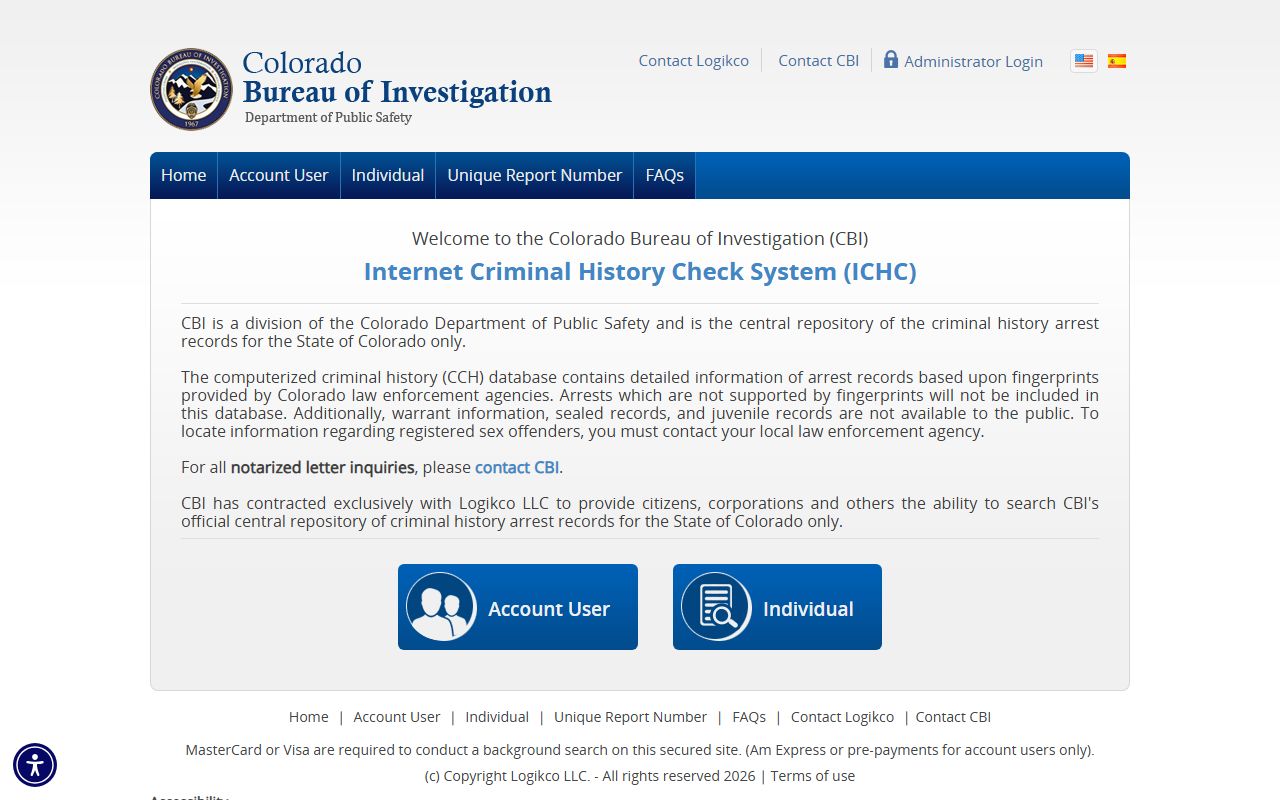
The CBI records check portal provides access to criminal history information.
The State Patrol Records Portal is online. You can request crash reports. You can request other records. Create an account. Submit your request. Pay any fees. Track your status online.
The Secretary of State CORA page has helpful information. It explains your rights. It covers CORA and CCJRA. You can learn about fees. You can learn about response times. This helps you understand the process.
Note: State records are separate from local Grand Junction police records.
Tips for Getting Grand Junction Police Records
These tips can help you get your records faster. They work for Grand Junction and most Colorado agencies. Follow these for better results.
First, know the right agency. Grand Junction Police handles city incidents. Mesa County Sheriff handles county areas. State Patrol handles highways. Check your paperwork. It should show the agency. Call Grand Junction Police if you are not sure.
Second, gather all the facts. Write down the date. Note the time. Record the location. List all names. Find your case number. Bring photo ID. Good details help staff find your records fast.
Third, allow time for processing. Records requests take work. Staff must find and review files. Some are quick. Others take longer. Ask about the timeline. Follow up if needed. Be patient but check in.
Fourth, use online options when you can. Many requests can be made online. This is faster than mail. It is easier than visiting. Check the Grand Junction website. See what they offer.
Fifth, know the fees. Most agencies charge. Fees vary. Ask about costs first. Bring payment if visiting. Check what payment types they take.
Mesa County Police Records
Grand Junction is in Mesa County. The county sheriff serves areas outside the city. You may need records from both offices. Know where your incident happened. This ensures you contact the right place.